- The Protector
The central concept.
More than merely a "warrior," it refers to individuals who adhere to an internal moral code, uphold justice, and aid the distressed and succor the perilous. They are guardians of the community. - Righteousness
The highest code of conduct.
It signifies righteousness, loyalty, and commitment to a just cause, sometimes even taking precedence over the law or personal grievances. - Martial Arts
The means to realize "Xia" and "Yi."
However,the essence of martial arts lies not in violence, but in self-discipline, perseverance, and self-transcendence. True "Wu" is about "stopping the spear" (preventing conflict). - Emotional Bonds
The humanistic dimension.
It refers to the profound emotional connections between characters, such as friendship, love, and master-disciple bonds, which drive their choices and growth.
-
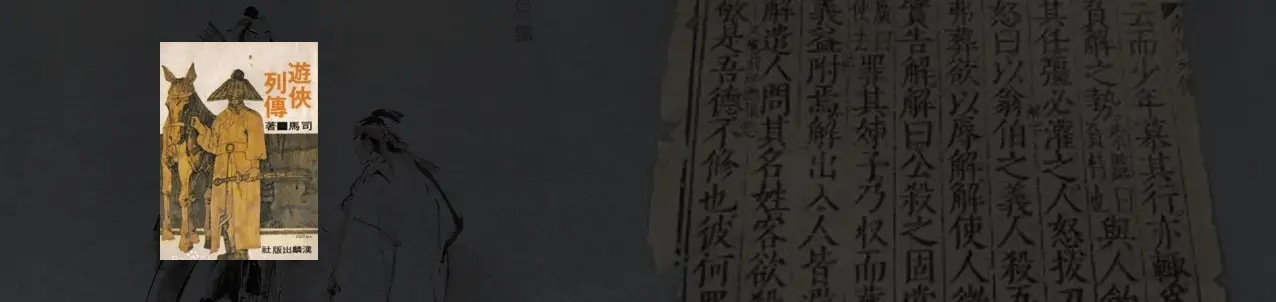 From "using force to violate prohibitions" to "keeping one's word and ensuring one's actions bear fruit"
The Rise of Wandering Warriors · Historical Records
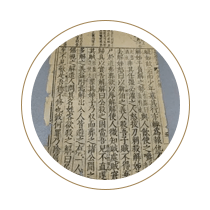
Iconic Figures/Works:Han Fei's "The Five Vermin", Sima Qian's "Records of the Grand Historian: Biographies of Wandering Knights"
Contribution to Cultural Development:
Established the realistic foundation and moral code for the concept of "Wuxia", elevating it from mere action to a cultural concept.
-
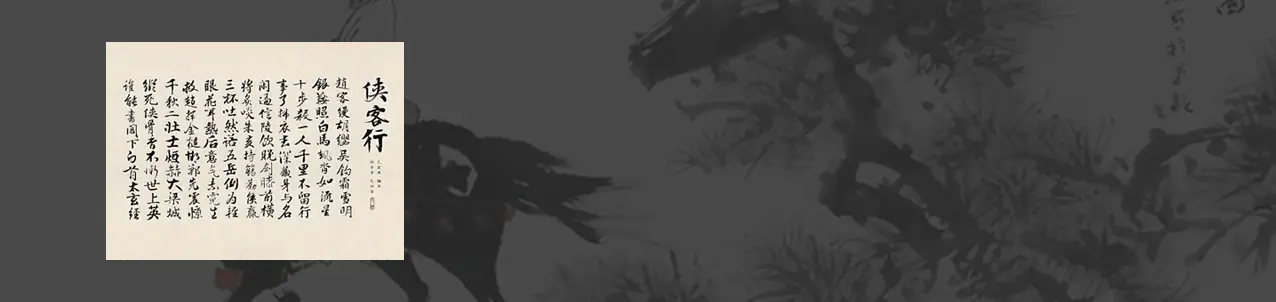 Classical Tales and Poetic Odes
Literati Creation · Romanticized Imagery
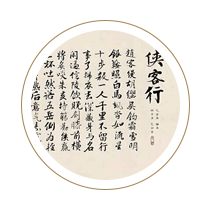
Iconic Figures/Works:Li Bai's "The Swordsman", Tang Dynasty Tales: "Nie Yinniang", "The Tale of the Curly-Bearded Guest"
Contribution to Cultural Development: Propelled the concept of "Wuxia" from historical records into literary imagination, enriching its artistic representation.
-
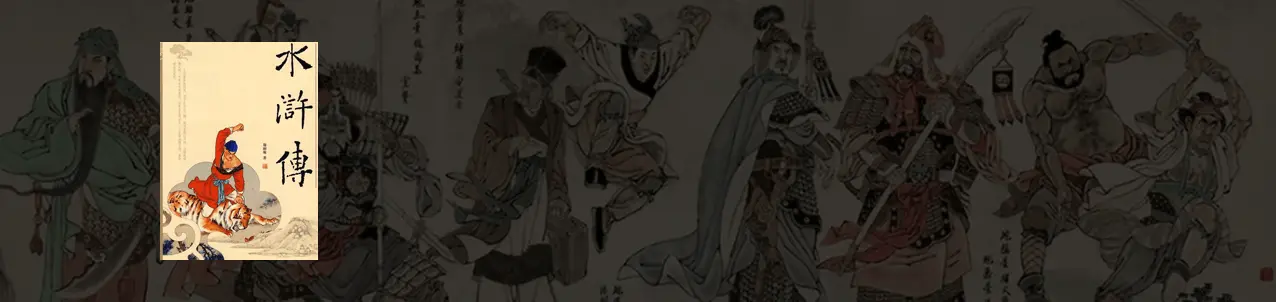 Vernacular Fiction and the Jianghu System
Urban Literature · Sect Rules
Iconic Figures/Works:Water Margin, Three Heroes and Five Gallants
Contribution to Cultural Development:Constructed a complex world of the "Jianghu" and martial arts codes, embedding Wuxia culture deeply into the public consciousness.
-
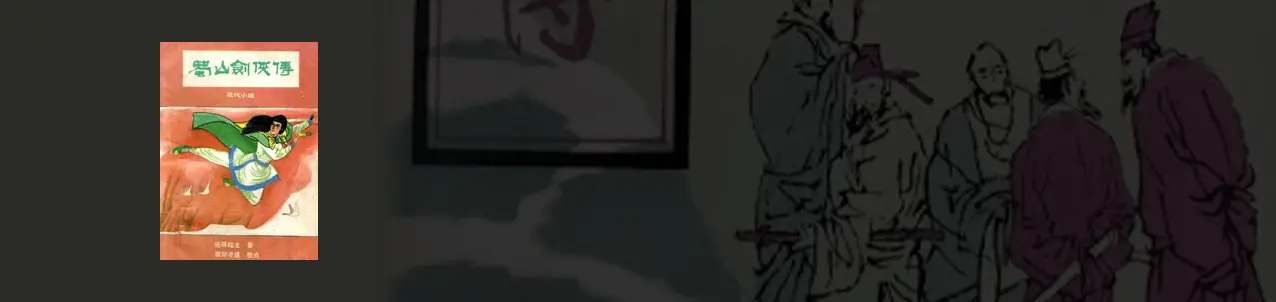 The Flourishing of Wuxia Fiction and Theoretical Foundation
Newspaper Serials · Internal and External Martial Arts
Iconic Figures/Works:Pingjiang Buxiaosheng's Legend of the Extraordinary Knights-Errant in the Martial World, Huanzhulouzhu's Legend of the Swordsmen of the Mountains of Shu
Contribution to Cultural Development:Established martial arts systems such as "internal" and "external" skills, laying a solid foundation for the New School Wuxia that followed.
-
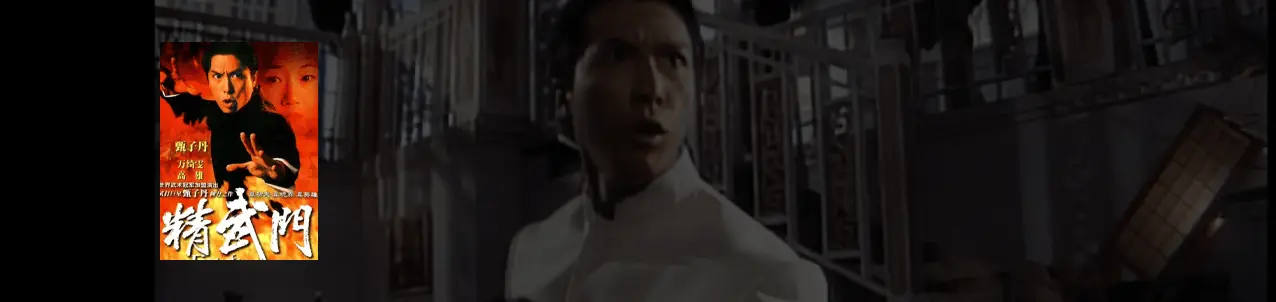 "The Highest Form of 'Xia' is to Serve One's Country and People"
Philosophical Sublimation · Global Dissemination
Iconic Figures/Works: Works by Jin Yong, Liang Yusheng, Gu Long, and their related film and television adaptations
Contribution to Cultural Development:Elevated the chivalric spirit to the height of national and communal service, generating significant international influence through modern media.
-
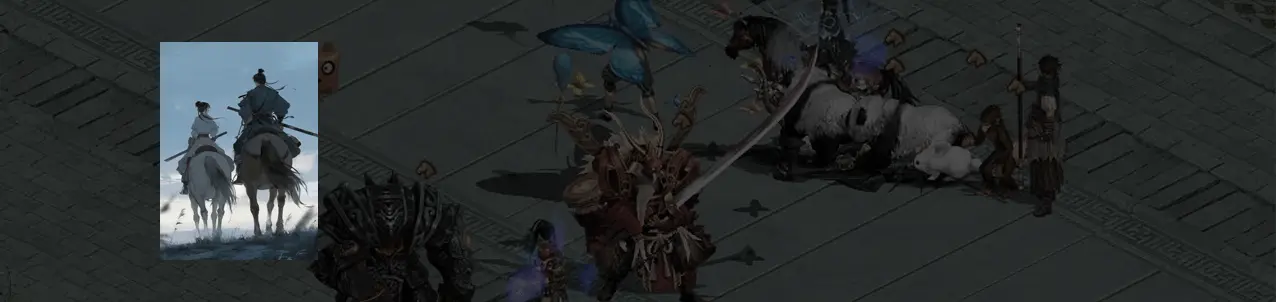 Cross-disciplinary Integration and Youth Culture
Video Games · Film/Animation · Web Novels
Iconic Figures/Works:Games like Chinese Paladinand Swordsman Online, the film Crouching Tiger, Hidden Dragon, the animation Jian Xin: The Legend of Shen Jianxin
Contribution to Cultural Development:Transcended the literary sphere, integrating into global pop culture to become a cultural symbol representing Eastern aesthetics and values.